

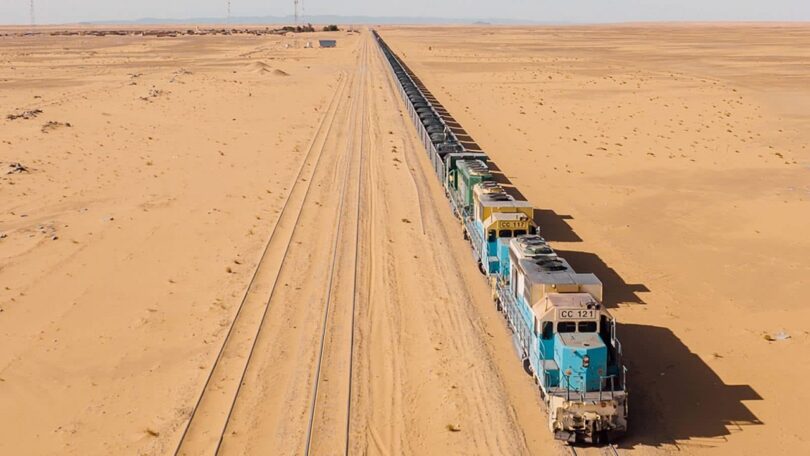

Iron ore train travel guide isn’t something you stumble upon unless you’re already deep into the world of unconventional travel. Nevertheless, if you’re here, you’re likely curious about riding one of the most extreme trains on Earth. Crossing the vast, unforgiving Sahara in Mauritania, this train has a tall tale to tell for the iron industry and travellers alike.
Yet, adventurers from around the world climb aboard its open wagons in search of a story few people can tell. It’s gritty, uncomfortable, and unpredictable, but also unforgettable. This guide walks you through what to expect, what to pack, and whether it’s truly worth it.
Table of Contents
What Does Iron Ore Train Travel Guide Recommend?
Your iron ore train travel guide strongly recommends careful preparation and a realistic mindset. This is not a luxury safari; it’s an endurance test. The train operates daily, but timetables are unreliable. Trains leave earlier or later than expected, and there are no ticket offices, conductors, or dining cars.
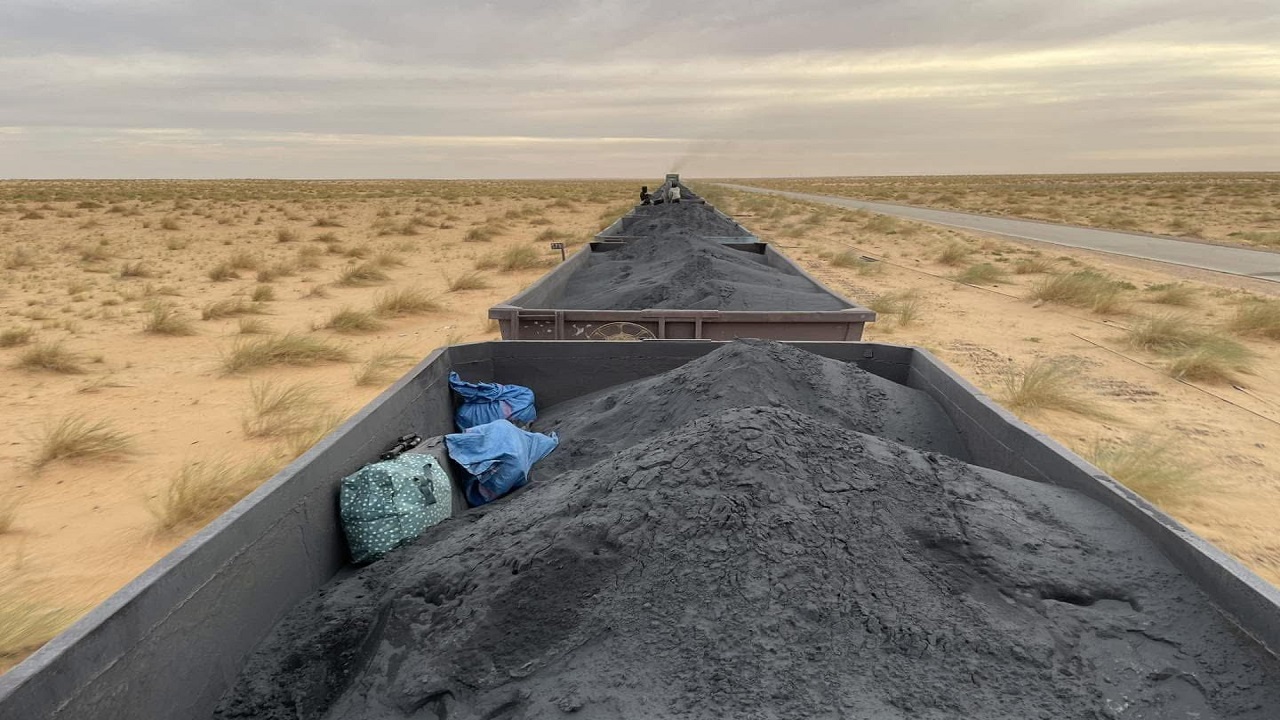
In this Iron ore train travel guide, include the following in your packing list:
- Enough water High‑calorie food
- Warm clothes to cushion young from freezing desert nights
- A headlamp
- A face cover to protect your face against iron ore dust
What You Should Know Before Boarding the Iron Ore Train
It’s wise to hire a local guide, especially after security crackdowns in 2024. This is a must-do in the iron ore train travel guide. Guides know departure points, help with negotiations, and keep you safe. The most practical boarding points include these three:
- The coastal city of Nouadhibou
- Small desert town of Choum
- Fderik near the Zouérat mines
If you board from Choum, expect to be spotted immediately by security and escorted to the passenger car. Many travellers still attempt to ride atop the ore wagons, but that’s now strictly prohibited for tourists. For a legal, safer experience, use the official passenger carriage which costs about $17 and offers basic seating.
How Long Do You Ride the Iron Ore Train?
The full journey from the Zouérat mines to the Atlantic port of Nouadhibou covers roughly 704 kilometres (437 miles). Depending on load weight, speed, and unforeseen delays, the trip can take anywhere from 14 to 20 hours. The train is heavier when loaded with ore (westbound), so the westward run generally takes longer about 20 hours. However, the train takes at least 12 years while headed to the east (empty).
Many travellers opt for a shorter ride, for example from Choum to Nouadhibou. That section takes around 14 hours, since the train is slower when it’s fully loaded. Either way, you’re in for a marathon ride but the iron ore train travel guide makes it easier. Be aware in this Iron ore train travel guide that there are no official stops, no toilets, and almost no breaks. When the train does pause—usually for prayers or crew changes—it only stops for a few minutes, so you must be ready to climb back on immediately.
Is It Legal to Ride the Iron Ore Train in Mauritania?
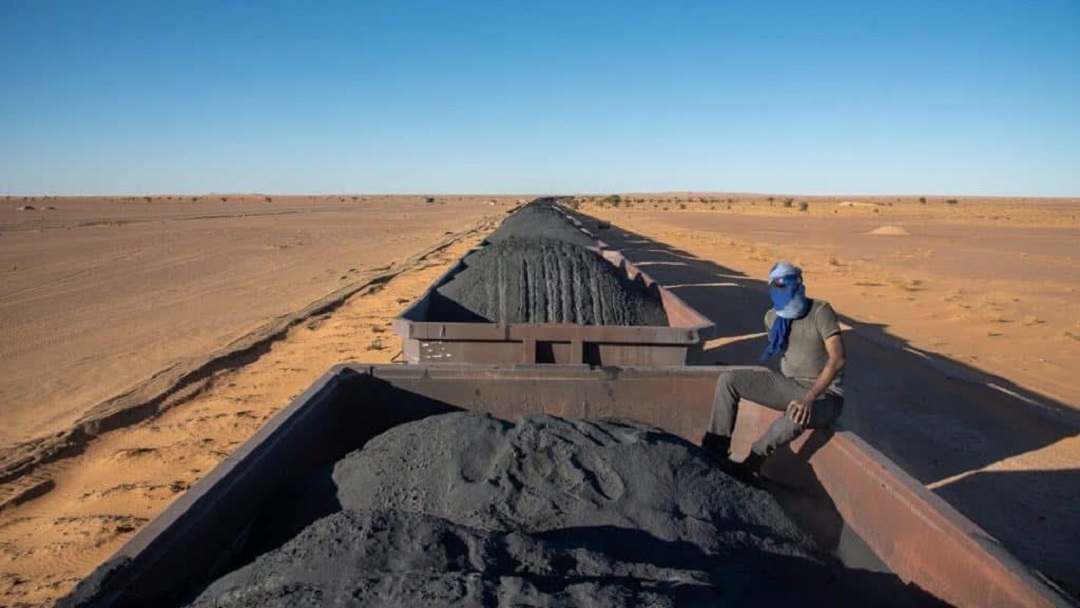
This is where the situation has changed dramatically. For decades, riding on top of the ore wagons was tolerated, even if it was technically illegal. That changed in 2024. The state‑owned mining company, SNIM officially banned tourists from riding atop the ore wagons, citing safety concerns and a spike in reckless social‑media stunts. Tourists caught on the ore wagons are removed, fined, or even arrested.
However, riding in the official passenger carriage, according to the Iron ore train travel guide remains completely legal. That carriage is attached to the train and offers basic bench seats. Many tourists still try to bribe or sneak their way onto the ore wagons, but that is now a risky and illegal activity. Your safest and most responsible option is to use the passenger carriage. If you’re set on the “full experience,” some tour operators still arrange access to the ore wagons through special permits—but that requires significant local connections.
How Much to Ride the Iron Ore Train?
Ticket cost is an important aspect of the Iron ore travel guide. A ticket in the official passenger carriage costs about 15 euros (approximately $16 USD). That’s the only legal fare. If you choose to ride on top of the ore wagons—which is illegal—it’s technically free, but you risk heavy fines or arrest. Locals often ride for free, but they are not subject to the same restrictions as tourists.
Beyond the ticket, you’ll need to budget for transport to the boarding point, accommodation before and after the journey, and supplies. If you hire a local guide, expect to pay a daily fee. Some tour companies offer complete packages; for example, an eight‑day Mauritania tour that includes the train ride can cost around €2200 ($2500). For independent travellers, the train itself is the cheap part. The logistics and preparation that add up.
Is the Iron Ore Train Worth It?
The Mauritania iron ore train is not for everyone. It is brutal, uncomfortable, and potentially dangerous. But for a certain kind of traveller—one who seeks raw, unfiltered adventure—it is absolutely worth it. The BBC called it “an exhilarating journey across the Sahara,” in the iron ore train travel guide while the Washington Post described it as “hot, free and dangerous”. The iron ore train travel guide attests as much.
You’ll see landscapes that few outsiders ever witness: endless sand dunes, rocky plains, wandering camels, and the brilliant Milky Way at night. The sense of isolation is profound. However, recent safety bans mean that the “classic” experience—riding atop a swaying ore wagon—is now illegal.
If you’re content with the passenger carriage, the journey is still memorable, but it loses some of its legendary edge. Weigh the risks carefully. For those who value unique experiences over comfort, the train remains one of the world’s last great travel challenges.
What Happens If You Fall Off the Iron Ore Train?
Falling off the Mauritania iron ore train is a real danger, as stated clearly in the Iron ore train travel guide. The wagons are open, there are no guardrails, and the train can jolt violently without warning. Speeds are relatively low—around 35 km/h—but falling onto desert rock or iron ore debris can cause severe fractures, head trauma, or worse.
If you fall while the train is moving, it will not stop for you. There are no emergency brakes or crew members watching the wagons. You would be left alone in the Sahara, hours from any settlement, with no water or shelter. Dehydration, heatstroke, or exposure would quickly become life‑threatening.
What Not to Do When Riding in the Iron Ore Train
Do not fall off. Stay low, maintain three points of contact when moving, and never stand near the edge during jolts. If you must move between wagons, do so only when the train stops. That’s why SNIM banned tourists from riding on the ore cars.
Conclusion
A journey on the legendary Mauritania iron ore train is unforgettable. The iron ore train travel guide tests your limits against one of the harshest environments on Earth. Stretching over 700 kilometres across the Sahara, this train is one of the longest and heaviest in the world.
Frequently Asked Questions
1. Why do people ride the Iron ore train?
People ride the Iron Ore Train mainly for adventure, cultural experience, and to witness one of the world’s heaviest and longest trains crossing the Sahara. It offers a unique way to experience Mauritania’s desert landscapes and local life.
2. How long is the Iron ore train?
The Iron Ore Train in Mauritania is about 2.5 kilometers (1.5 miles) long and can have over 200 wagons, making it one of the longest trains in the world.
3. How much does the Iron ore train cost?
Riding in the passenger carriage is usually affordable, around $2–$5 USD, while many adventurous travelers ride for free by climbing into the open ore wagons, though this is much rougher and less comfortable.
Discover more from See Africa Today
Subscribe to get the latest posts sent to your email.