

An Africa travel guide opens the door to the world’s most diverse continent. Africa offers 54 nations, each with unique cultures, landscapes, and experiences. From sweeping savannas to busy cities, the possibilities feel endless. This comprehensive African travel guide covers destinations, logistics, safety, budgets, and cultural insights.
You will learn how to plan, where to go, and what to expect. Whether you are a first-time visitor or a seasoned explorer, this guide equips you for an unforgettable journey. Let us dive into everything you need for travelling across this magnificent continent.
Table of Contents
Africa Travel Guide: Top Destinations to Explore
If you’re planning on visiting the world’s second-largest continent this Africa travel guide is for you.
North Africa
The following countries make up North Africa.
- Morocco
- Egypt
- Tunisia
- Algeria
- Libya
Climate, language, visa policies, and safety offer the following:
Climate:
North Africa experiences a Mediterranean climate along the coast and arid desert conditions inland. Coastal areas enjoy mild, wet winters from November to March. Summers along the coast become hot and humid, especially in Egypt and Libya. Inland desert regions face extreme temperatures, scorching by day and freezing by night.
The Sahara Desert records some of the world’s highest temperatures. Morocco’s Atlas Mountains receive snow during winter months. Spring and autumn offer the most comfortable travel conditions. Sandstorms occasionally sweep across desert regions, reducing visibility.
Languages:
Arabic dominates as the official language across all five nations. Each country developed distinct dialects like Moroccan Darija, Egyptian Arabic, and Tunisian Arabic. French remains widely spoken in Morocco, Tunisia, and Algeria due to colonial history.
English gains traction in tourist areas and younger generations. Berber languages like Tamazight thrive in Morocco’s Atlas Mountains and Algeria’s Kabylie region. Italian influences persist in Libya from its colonial past. Spanish is popular in Morocco’s northern Rif region.
Visa Policies:
Morocco offers visa-free entry for many Western nations, including EU, US, UK, and Canada. Egypt provides e-visas for most nationalities or visa-on-arrival at major airports. Tunisia grants visa-free access to Europeans, Americans, and Gulf nationals.
Algeria requires visas for most visitors, with complex application processes. Libya remains extremely restrictive, requiring sponsored visas and government approval. Always verify current requirements as policies shift frequently.
Safety Considerations:
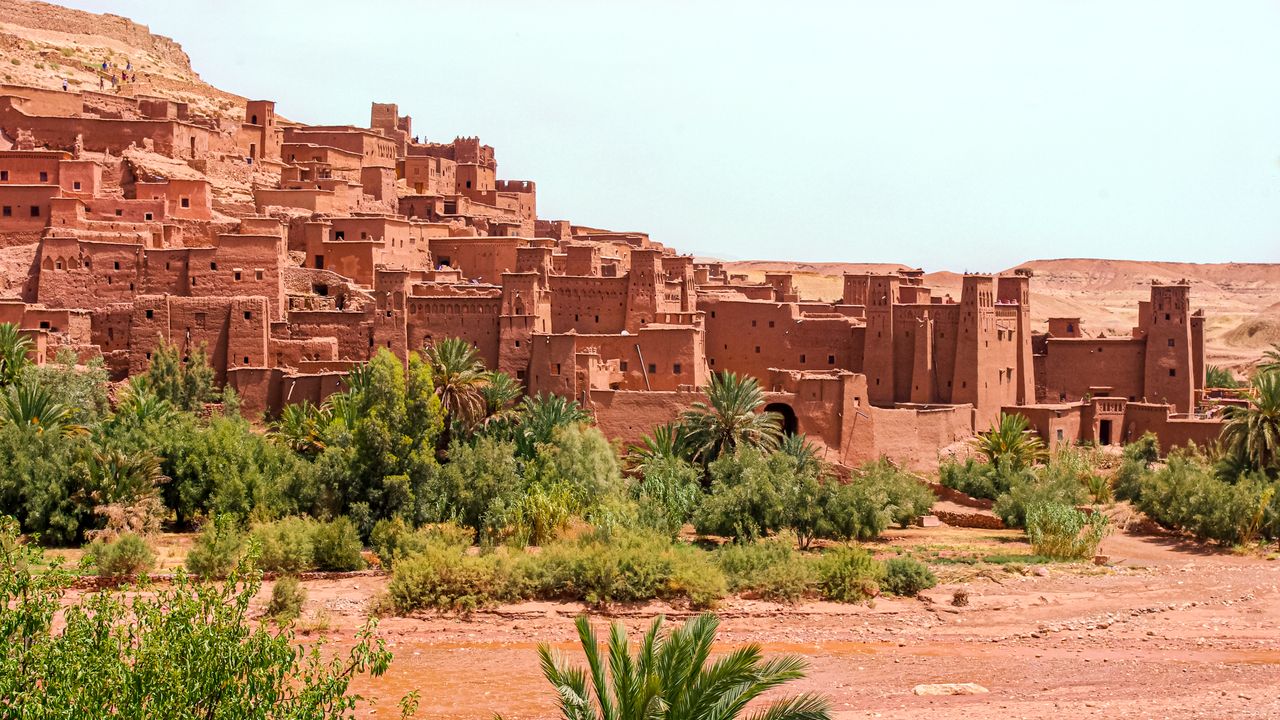
Safety is crucial for the Africa travel guide. Morocco and Tunisia generally welcome tourists with good safety records in tourist areas. Egypt maintains strong security around resorts and historical sites. Algeria experiences regional instability near borders with Mali, Niger, and Libya.
Libya remains dangerous due to ongoing conflict and militia activity. Petty crime occurs in crowded medinas and tourist markets. Women should dress modestly and expect some harassment in public spaces. Avoid political gatherings and demonstrations entirely.
West Africa
The following countries make up West Africa
- Ghana
- Nigeria
- Senegal
- The Gambia
- Côte d’Ivoire
Climate:
Climate is an important consideration for the Africa travel guide. West Africa experiences tropical climates with distinct wet and dry seasons. The dry season runs November through March, bringing dusty Harmattan winds. The wet season spans April through October with heavy afternoon downpours.
Coastal areas remain humid year-round with high temperatures. Inland regions face hotter conditions during dry months. Senegal and The Gambia enjoy milder coastal temperatures. Nigeria’s climate varies from tropical south to semi-arid north. Côte d’Ivoire receives abundant rainfall supporting lush forests.
Languages:
English serves as the official language in Ghana, Nigeria, and The Gambia. French dominates Senegal and Côte d’Ivoire as the administrative language. Indigenous languages flourish alongside colonial tongues across the region.
Twi, Ga, and Ewe thrive in Ghana’s markets and villages. Yoruba, Igbo, and Hausa connect Nigeria’s diverse ethnic groups. Wolof unites Senegal as its most spoken local language. Pidgin English bridges communication gaps across English-speaking nations.
Visa Policies:
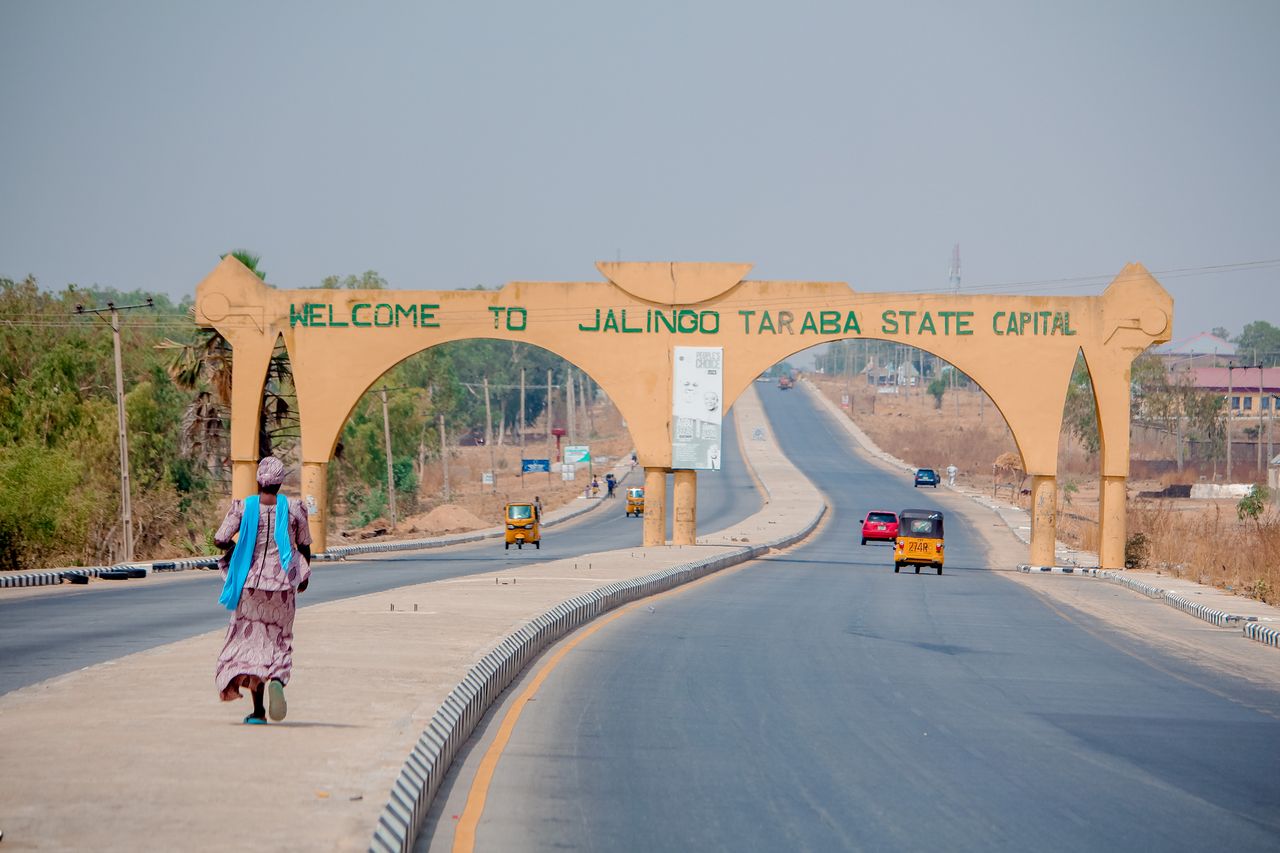
Ghana offers e-visas for most nationalities with straightforward applications. Nigeria requires e-visas obtained before arrival for most visitors. Senegal grants visa-free entry to EU, US, and many African nationals. The Gambia provides visa-free access for Commonwealth and EU citizens. Côte d’Ivoire offers e-visas with online application systems. ECOWAS members enjoy free movement across West African borders.
Safety Considerations:
Ghana ranks among Africa’s safest countries with low violent crime rates. Senegal maintains stability with welcoming attitudes toward tourists. The Gambia welcomes visitors with minimal security concerns. Nigeria faces regional security challenges in northern states and Niger Delta.
Côte d’Ivoire improved significantly since early 2000s conflicts. Petty theft occurs in crowded markets and transport hubs. Avoid night travel on rural roads due to banditry risks.
East Africa
East Africa makes up the following countries:
- Kenya
- Tanzania
- Uganda
- Rwanda
- Ethiopia
Climate:
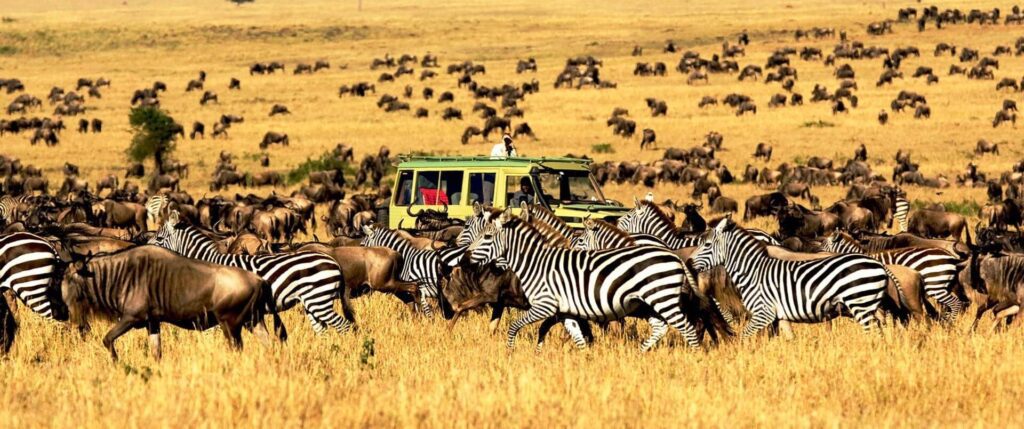
East Africa enjoys diverse climates shaped by altitude and geography. Kenya and Tanzania experience dry seasons in January through to February and September. Short rains fall November through December, long rains March through May. Uganda receives rainfall throughout the year with drier periods December to February. Rwanda’s high altitude moderates tropical heat year-round. Ethiopia’s highlands remain temperate while lowlands swelter. Coastal regions in Kenya and Tanzania stay hot and humid consistently.
Languages:
Swahili unites Kenya, Tanzania, and Uganda as the regional lingua franca. It makes up a big part of the Africa travel guide English serves as an official language across all East African nations. Kikuyu, Luo, and Luhya flourish in Kenya’s communities. Chichewa and other Bantu languages thrive in Tanzania’s interior. Rwanda’s Kinyarwanda dominates daily communication. Amharic serves as Ethiopia’s working language alongside Oromo. French influences Rwanda and Burundi from Belgian colonial rule.
Visa Policies:
Kenya offers e-visas with straightforward online applications. Tanzania provides e-visas or visa-on-arrival for most nationalities. Uganda grants e-visas with expedited processing options. Rwanda welcomes all Africans visa-free and offers visa-on-arrival for others. Ethiopia provides e-visas with efficient processing systems. The East Africa Tourist Visa covers Kenya, Uganda, and Rwanda conveniently.
Safety Considerations:
Rwanda ranks among Africa’s safest countries with minimal crime. Tanzania offers safe travel experiences in tourist regions. Kenya experiences urban crime in Nairobi and Mombasa. Uganda maintains safety in tourist areas but faces regional concerns. Ethiopia experiences periodic political tensions in certain regions. Avoid border areas with Somalia, South Sudan, and DRC. Exercise caution during political demonstrations and elections.
Southern Africa
These five African countries make up Southern Africa.
- South Africa
- Namibia
- Botswana
- Zimbabwe
- Zambia
Climate:
Southern Africa experiences reversed seasons compared to Northern Hemisphere. Winter runs May through August with cool, dry conditions. Summer spans November through March with heat and afternoon thunderstorms. South Africa’s Western Cape enjoys Mediterranean climate with winter rainfall. Namibia and Botswana face extreme desert heat in summer months. Zimbabwe and Zambia experience distinct wet and dry seasons. Coastal areas moderate temperatures significantly.
Languages:
South Africa boasts 11 official languages including Zulu, Xhosa, and Afrikaans. English serves as the common language for business and tourism. Namibia’s English official status belies German and Afrikaans influences. Botswana’s Setswana dominates alongside English administration. Zimbabwe recognises 16 official languages including Shona and Ndebele. Zambia’s Bemba, Nyanja, and Tonga flourish alongside English.
Visa Policies:
South Africa requires visas for many nationalities but offers straightforward processes. Namibia grants visa-free entry to many Western and African nations. Botswana provides visa-free access for most European and Commonwealth citizens. Zimbabwe offers visa-on-arrival for many nationalities at major entry points. Zambia provides e-visas with efficient online systems. KAZA UniVisa covers Zambia and Zimbabwe for day trips to Victoria Falls.
Safety Considerations:
Botswana and Namibia rank among Africa’s safest destinations. Zambia maintains peaceful conditions with welcoming attitudes. Zimbabwe improved significantly though economic challenges persist. South Africa faces high crime rates in urban areas like Johannesburg. Windhoek and Gaborone offer safe urban experiences. Avoid walking alone at night in South African cities. Secure accommodations with proper security measures.
Central Africa
Although small in size, countries in Central Africa under the Africa travel guide include the following:
- DR Congo
- Cameroon
- Gabon
Climate:
Central Africa experiences equatorial climates with year-round rainfall. Temperatures remain consistently hot and humid throughout the year. DRC’s vast rainforest receives abundant precipitation. Cameroon’s climate varies from coastal humidity to northern savanna dryness. Gabon’s equatorial forests thrive with consistent moisture. Republic of Congo experiences distinct wet and dry seasons. The region contains the world’s second-largest rainforest after the Amazon.
Languages:
French serves as the official language across all Central African nations. Lingala, Swahili, Kikongo, and Tshiluba connect DRC’s diverse populations. Cameroon’s bilingual status includes both English and French regions. Fang and Myene flourish in Gabon’s communities. Kituba and Lingala serve Republic of Congo’s communication needs. Indigenous Bantu languages dominate daily life across the region.
Visa Policies:
DRC requires visas with complex application processes for most visitors. Cameroon offers e-visas with straightforward online applications. Gabon provides e-visas through its online portal system. Republic of Congo requires visas obtained before arrival. All countries demand yellow fever vaccination proof at entry. Regional travel requires careful documentation and advance planning.
Safety Considerations:
Central Africa presents significant travel challenges for most visitors. DRC experiences ongoing conflicts in eastern provinces. Cameroon faces security concerns in Anglophone regions and northern areas. Gabon maintains relative stability with low tourist numbers. DR Congo experiences periodic political tensions. All countries require careful research and local guidance. Travel insurance must cover medical evacuation from remote regions.
Top Destinations and Must-See Attractions in Africa
Africa boasts natural wonders that rival anywhere on Earth. The following are the top destinations and attractions in this Africa travel guide.
- Victoria Falls (Zimbabwe and Zambia)
- Mt Kilimanjaro (Tanzania)
- The Serengeti (Tanzania)
- Sahara Desert (Northern Africa)
- Stone Town (Zanzibar)
- Pyramids of Giza (Egypt)
- Diani Beach (Kenya)
- Maasai Mara National Reserve (Kenya)
- Kruger National Park (South Africa)
- Table Mountain (Cape Town, South Africa)
- Okavango Delta (Botswana)
- Marrakech (Morocco)
- Fez (Morocco)
- Sossusvlei (Namibia)
- Bwindi Impenetrable Park (Uganda)
- Volcanoes National Park (Rwanda)
- Djenne Mosque (Mali)
- Fish River Canyon (Namibia)
- Rock-Hewn Churches of Lalibela (Ethiopia)
Wildlife and Safari Guide
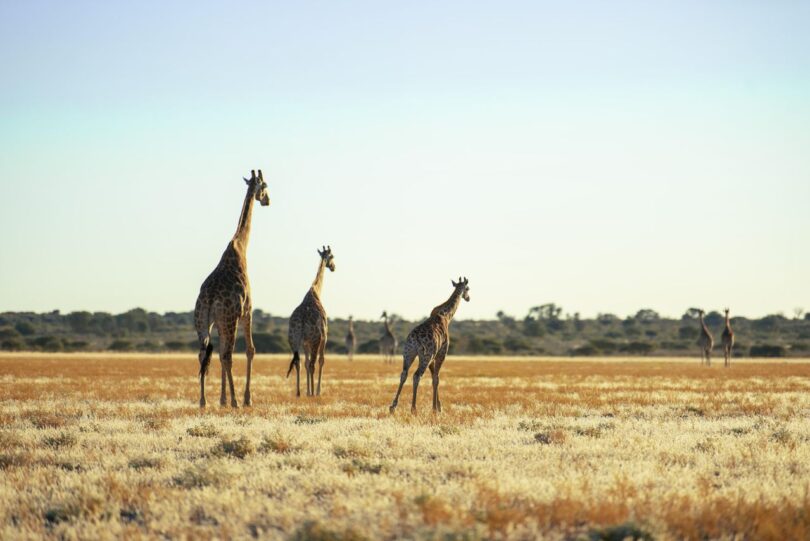
Here are the best African countries for wildlife and safaris in our Africa travel guide.
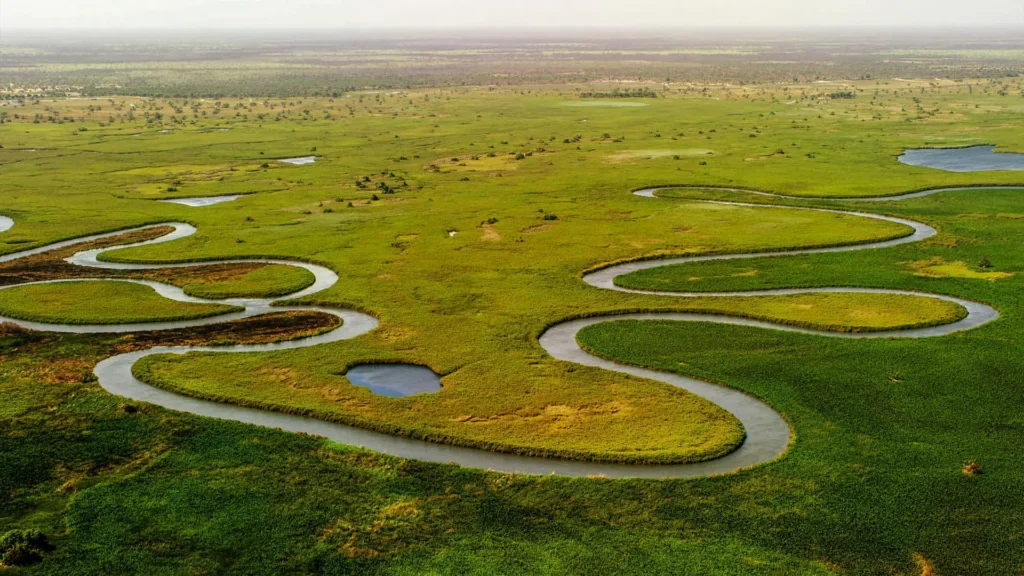
Botswana – Top-ranked for exclusivity and pristine wilderness. The Okavango Delta offers mokoro safaris with few crowds. Best for luxury travellers.
Tanzania – Home to the Serengeti and Ngorongoro Crater. Witness the Great Migration and dense Big Five populations. Ideal for first-timers.
Kenya – Classic safari destination. The Maasai Mara delivers exceptional big cat sightings and cultural encounters. Great for reliable wildlife viewing.
Zimbabwe – Best value with expert guides. Mana Pools offers walking and canoe safaris. Perfect for adventure seekers on a budget.
South Africa – Easiest and most varied. Self-drive Kruger, malaria-free reserves, and combine with Cape Town. Best for families and first-timers.
Budget and Costs: What to Expect
Africa accommodates every budget from backpacker to luxury traveller. Budget backpacking costs $30-50 daily using hostels and local transport. Mid-range comfort runs $100-200 daily with nice lodges and restaurants. Luxury safaris start at $500 daily and can exceed $1,500 in premium camps.
North Africa generally costs less than Southern or East Africa. Shoulder season travel slashes accommodation prices by 30-50%. Local transport, self-catering, and street food keep costs manageable. Park fees and safari activities form major expenses in wildlife destinations. This Africa travel guide recommends budgeting 20% extra for unexpected costs.
Best Time to Visit Africa
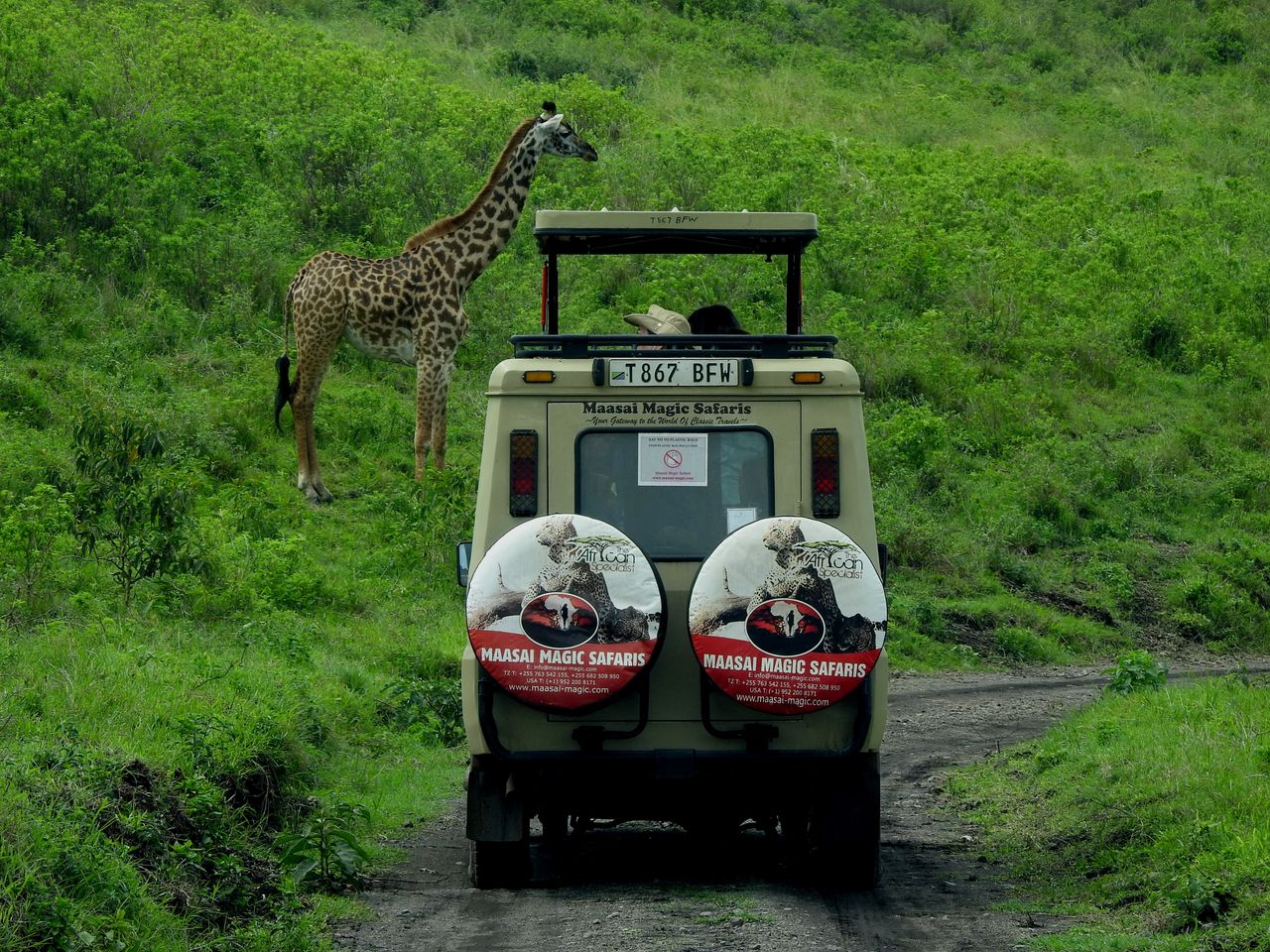
Timing dramatically affects your African experience. East Africa’s dry season runs June through October for prime wildlife viewing. January and February offer calving season in the Serengeti’s southern plains. Southern Africa’s dry months from May to September concentrate wildlife at waterholes.
November through March brings green season with lush landscapes and fewer crowds. North Africa enjoys mild weather from October through April. West Africa’s dry season spans November through March. Avoid peak summer heat in Egypt and Morocco. A month-by-month breakdown helps refine any Africa travel guide for specific destinations.
Conclusion
You now understand regional differences, top destinations, wildlife encounters, and cultural experiences. Practical logistics, safety advice, budgets, and packing essentials are covered. Responsible travel ensures your visit benefits local communities and conservation. Africa rewards preparation with unforgettable memories. Use this Africa travel guide to plan confidently and travel respectfully. Your African adventure awaits.
Is Africa safe for tourists?
Most tourist areas are safe with proper precautions and research.
Do I need a visa for Kenya?
Yes, but Kenya offers straightforward e-visa applications online.
What vaccinations do I need?
Yellow fever, typhoid, hepatitis, and malaria prophylaxis are recommended.
Can I drink tap water?
Stick to bottled or purified water throughout your travels.
How much should I tip?
10-15% for restaurants and $1-5 daily for guides.
Discover more from See Africa Today
Subscribe to get the latest posts sent to your email.