



African American relocation guide 2026 isn’t just another checklist. It’s your gateway to a new life. The thought of waking up in an African city where the beat of the culture is known, but each street is something different. This guide introduces the locations where African Americans can succeed in foreign markets, including bustling markets, peaceful neighbourhoods, etc.
See Africa Today helps you find out about the things that matter in your relocation plans. It gives you answers to the cost of living, how affordable and good healthcare is in these countries, and culture, among other things. This guide gives you direction if you want to pursue an opportunity, reclaim your roots, or find a better and safer way of living in Africa.
Table of Contents
Full Details of African American Relocation Guide 2026
The African American relocation guide 2026 is designed to help individuals and families make informed, practical decisions about moving to Africa. Relocation is deeply personal, but success depends on understanding three key pillars: cost of living, healthcare quality, and safety. Below are eight countries African Americans can settle in this year (2026).
- Ghana
- Kenya
- Rwanda
- South Africa
- Tanzania
- Ethiopia
- Morocco
- Senegal
1. Ghana
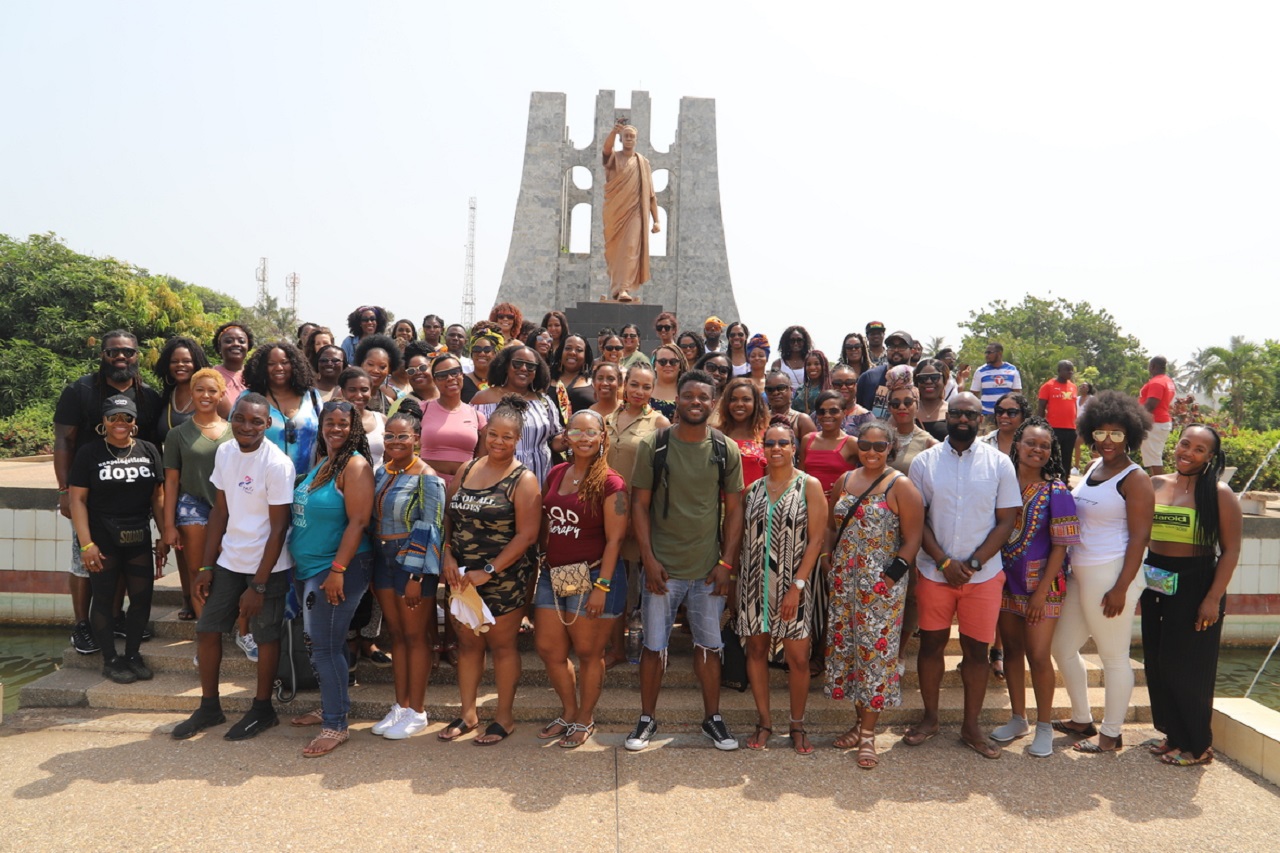
Ghana remains one of the most welcoming destinations for the diaspora. Its strong historical connection to African Americans, especially through initiatives like the Year of Return, makes it culturally significant.
Cost of Living:
In Accra, monthly living expenses for a single person can range from $1,200–$2,500 depending on lifestyle. Rent in neighbourhoods like Airport Residential, East Legon, and Cantonments is higher due to demand from diplomats and expatriates. Cities like Kumasi or Cape Coast, located outside Accra, are more affordable.
Healthcare:
Private hospitals such as Nyaho Medical Centre and Euracare provide quality services, though many expats maintain international insurance. Public healthcare is improving, but varies in consistency.
Safe Neighbourhoods:
Cantonments, Airport Residential Area, East Legon, and parts of Tema are popular with expats due to security, infrastructure, and proximity to amenities.
2. Kenya

Kenya, just like Ghana, appears in the African American relocation guide 2026 list. It offers an excellent environment for business opportunities, tech innovation, and safari tourism. Nairobi is the regional economic hub of East Africa with a healthy population of expats.
Cost of Living:
In Nairobi, expect $1,500–$3,000 monthly for a comfortable lifestyle. Rent in the city’s suburbs of Westlands, Kilimani, Karen, and Lavington varies widely depending on property size and security features. Further, utilities and imported goods can raise costs.
Healthcare:
Kenya has some of East Africa’s best private hospitals, including Aga Khan University Hospital and Nairobi Hospital. Many expats rely on private insurance.
Safe Neighbourhoods:
Karen, Runda, Gigiri, Westlands, and parts of Lavington are secure and expat-friendly.
3. Rwanda
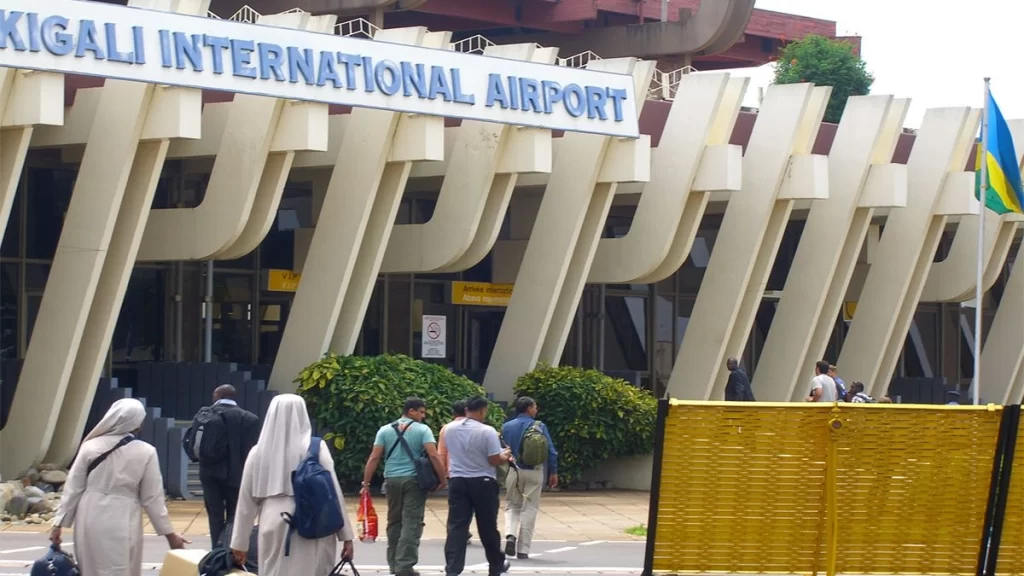
Rwanda is famous for its cleanliness, order, and safety. Kigali, the capital city, consistently ranks as one of Africa’s safest cities.
Cost of Living:
Monthly expenses average $1,200–$2,000, depending on housing. Posh neighbourhoods like Kiyovu and Nyarutarama attract premium rents.
Healthcare:
Healthcare services are steadily improving. King Faisal Hospital in Kigali offers advanced care, though some complex treatments require travel abroad.
Safe Neighbourhoods:
Nyarutarama, Kiyovu, and Kimihurura are the most preferred suburbs by expats.
4. South Africa

Cost of Living:
South Africa’s advanced infrastructure, global connectivity, and diverse lifestyle options earn the Rainbow Nation a place in the African American relocation guide 2026 list.
Cape Town and Johannesburg vary significantly by neighbourhood. Monthly living costs range between $1,500–$3,000. Premium suburbs such as Camps Bay, Sea Point, Sandton, and Rosebank are more expensive.
Healthcare:
South Africa has some of the continent’s best private hospitals, including Netcare and Mediclinic facilities. Healthcare quality is generally high in private institutions.
Safe Neighbourhoods:
Security varies widely. In Cape Town, Sea Point and Constantia are popular. In Johannesburg, Sandton and Rosebank attract expatriates.
5. Tanzania
Tanzania offers coastal living and a relaxed pace, particularly in Dar es Salaam and Zanzibar.
Cost of Living:
Monthly costs range from $1,000–$2,200 depending on lifestyle and housing. Oyster Bay and Masaki are expat areas in Dar es Salaam.
Healthcare:
Private hospitals are available, but many expats travel to Kenya or South Africa for advanced care.
Safe Neighbourhoods:
Masaki, Oyster Bay, and parts of Zanzibar Town are secure and community-oriented.
6. Ethiopia
Ethiopia holds powerful historical and symbolic importance within the global Black community. As one of the few African nations never colonised, it carries deep Pan-African significance. In addition, Ethiopia appeals to those interested in cultural heritage, diplomacy, and development sectors.
Cost of Living:
Addis Ababa is relatively affordable compared to many global capitals. Monthly living costs range between $900–$1,800 depending on housing choices. Imported goods are expensive due to currency restrictions. Rent in Bole and Old Airport areas is higher because of diplomatic and expatriate demand
Healthcare:
Private hospitals such as St. Gabriel General Hospital and Myungsung Christian Medical Center offer better standards than public facilities. However, many expats maintain international health insurance and occasionally travel abroad for specialised procedures.
Safe Neighbourhoods:
Bole, Old Airport, Kazanchis, and parts of Sarbet are more secure and popular with foreigners and professionals.
7. Morocco
Morocco provides a unique blend of African, Arab, and European influences. Its geographic proximity to Europe makes it attractive for entrepreneurs and remote workers.
Cost of Living:
Living expenses vary significantly by city. In Casablanca or Rabat, expect $1,200–$2,500 per month, depending on lifestyle. Marrakech can be more expensive in tourist-heavy districts. Smaller cities such as Essaouira or Tangier offer more moderate housing costs. Utilities and local food remain affordable, while imported goods raise expenses.
Healthcare:
Morocco has well-developed private healthcare facilities in major cities. Hospitals in Casablanca and Rabat offer reliable services, though rural healthcare quality can vary. Many expatriates opt for private insurance
Safe Neighbourhoods:
In Casablanca, neighbourhoods like Anfa and Racine are the top choices for expats. In Rabat, Agdal and Hay Riad are popular suburbs among foreigners. Marrakech’s Gueliz district attracts many expats too.
8. Senegal
Senegal is popular for its hospitality culture, often referred to locally as “Teranga,” meaning generosity and warmth. It appeals to creatives, entrepreneurs, and those seeking an exciting culture and a French-speaking West African environment.
Cost of Living:
In Dakar, monthly living costs range between $1,100–$2,200 depending on accommodation. Almadies, Ngor, and Plateau are high-end neighbourhoods with lots of expats. Food and transportation are generally affordable, though imported goods increase expenses.
Healthcare:
Private clinics in Dakar provide decent care. However, complex medical treatments may require travel abroad. International health coverage is strongly recommended.
Safe Neighbourhoods:
Almadies, Ngor, Mermoz, and Plateau are safe and popular among diplomats, NGO professionals, and members of the diaspora.
Which African Countries Offer Citizenship to Black Americans?
In the context of the African American relocation guide 2026, understanding residency first is more realistic than immediate citizenship. Naturalisation takes time, documentation, and legal compliance. While direct citizenship based solely on race is rare, several countries provide accessible naturalisation or diaspora-focused policies. They Include the following:
- Ghana
- Sierra Leone
- Liberia
- Rwanda
- South Africa
Ghana
Ghana offers citizenship through naturalization after legal residency. It also allows dual citizenship. The country actively encourages diaspora engagement.
Sierra Leone
Sierra Leone amended its citizenship laws to allow people of African descent to apply for citizenship. This has attracted interest from African Americans seeking ancestral reconnection.
Liberia
Liberia historically has close ties to African Americans, though citizenship laws are restrictive and evolving.
Rwanda
Rwanda allows dual citizenship and offers investment-based residency programs.
South Africa
Citizenship is possible after long-term permanent residency, usually five years or more.
What African Country is Most Accepting of Black People?
Acceptance is an important factor when looking at the African American relocation guide 2026. Cultural openness, diaspora policies, and social integration experiences all fuel acceptance. On this note, Ghana stands out as the most welcoming African country due to its deliberate outreach to African Americans and Pan-African positioning. Community integration is warm, especially among diaspora networks.
Moreover, Rwanda earns a few points on this front due to its low crime rate, orderliness, and structured governance, which appeals to professionals. Kenya follows this list due to its highly cosmopolitan nature, particularly in Nairobi, where diversity is common in the business and technology sectors.
Lastly, South Africa offers multicultural exposure but has complex social dynamics shaped by its history.
Conclusion
Safety, healthcare and the cost of living are critical factors when looking at the African American relocation guide 2026. Relocation is not simply geographic. It is economic, emotional, and cultural. This guide encourages thoughtful preparation, financial planning, legal consultation, and exploratory travel. With the right expectations and strategy, moving to Africa in 2026 can be both empowering and transformative.
Discover more from See Africa Today
Subscribe to get the latest posts sent to your email.
