


The history of the dashiki, popular in West Africa, is more than a celebrated fashion brand. It has a political undertone, African innovation, and signifies the zeal of black resistance in Africa. So, the next time you spot someone wearing this apparel, know they are carrying Africa’s honour on their back. This apparel is bright and easy to recognise. It’s become a global emblem of African pride, identity, and resistance.
It is much more than simply a beautiful shirt; it is a canvas on which history, politics, and personal expression meet in bright colours. The tale of how it went from being a part of West African culture to being a must-have in closets globally is a selfless act of cultural reclamation and the power of clothing.
Table of Contents
What Does a Dashiki Symbolise?
There are many layers of meaning in the dashiki, especially with continuous changes in its symbolism in the African fashion industry. Originally from West Africa, it traces its existence from a simple but loved piece of clothing that people wore every day. It stood for comfort and usefulness in a region where temperatures are always high. However, things changed in the 1960s, even in the United States.
People of African descent wore this brightly-coloured clothing as a political statement throughout the Black Power and Civil Rights struggles. For Black Americans trying to reconnect with a legacy that slavery took away from them, it became a way to show that they didn’t like Western fashion and were proud of their African background. This clothing stood for the following:
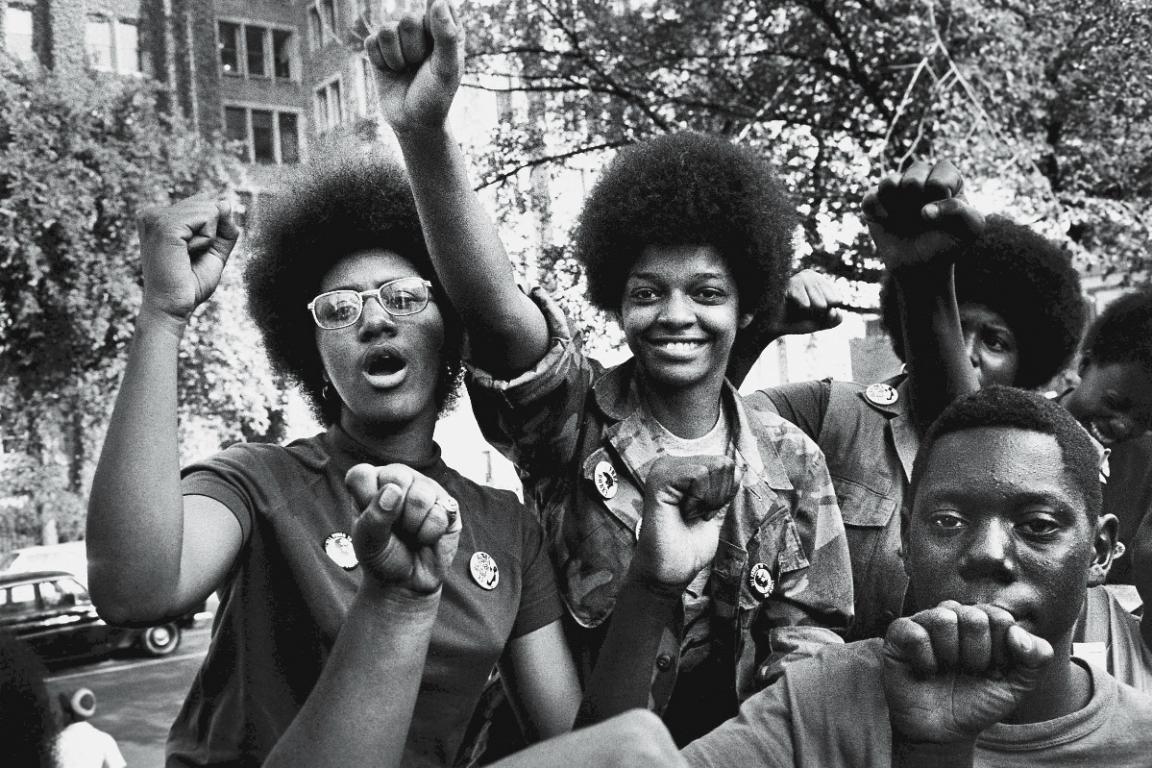
African-Americans. Photo/National Museum of African American History and culture
1. Black Pride
You appreciate yourself and your attractiveness as a Black person, despite the racial beauty standards that exist in the US. The bright colours and unusual patterns spoke of a unique, African sense of style.
2. Cultural Reclamation
It was a direct link to Africa, a means to recover a stolen tradition and show that you are an American who respects everyone, despite their skin colour.
3. Resistance and Liberation
The garment didn’t care that it was a time of political strife. It stood against assimilation and showed support for liberation struggles in Africa and the diaspora.
What is Dashiki Swahili for?
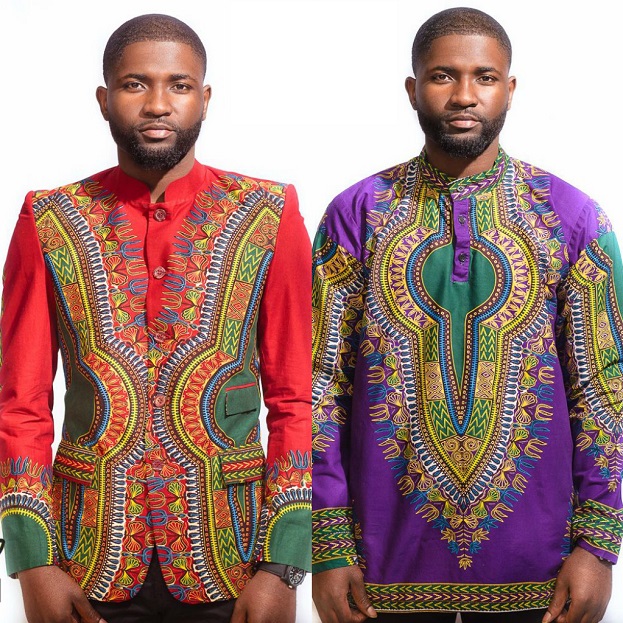
Dashiki – traditional clothes of the Yoruba people in Nigeria [Photo by Afroculture.net]
Can White Men Wear it?
Everyone, including white men, is at liberty to wear it despite its inherent roots in West Africa. African culture aside, it’s a lovely outfit that gets you interested in learning more about its history and what it means for the Black community in the US. With modern fashion trends, you will spot more whites donning this outfit in weddings and cultural festivals with an African theme.
Fashionistas argue that these two things should always guide non-Africans while wearing this fabric. They are:
- The intent
- Occasion
The History of Dashiki in Ghana and Nigeria
Dashiki is a Yoruba name meaning shirt or inner garment. It is made of cotton and is a unisex traditional attire for the Yoruba people and often comes in colorful designs. The garment has both formal and informal versions with its formal version coming as a fully-tailored suit. The informal version comes as a V-shaped collar shirt with embroidery on the neck and sleeve lines.
For a true Yoruba son/daughter of the soil, it’s the signature cultural attire. Though it traces its roots to Eastern Ghana, the Yoruba people identify themselves as the custodians of this widely celebrated African print. Today, it still commands a lot of historical meaning, but it also represents a broader celebration of African history. People wear it with pride at cultural celebrations like Kwanzaa, weddings, and graduations. It talks of beauty, heritage, and culture subtly.
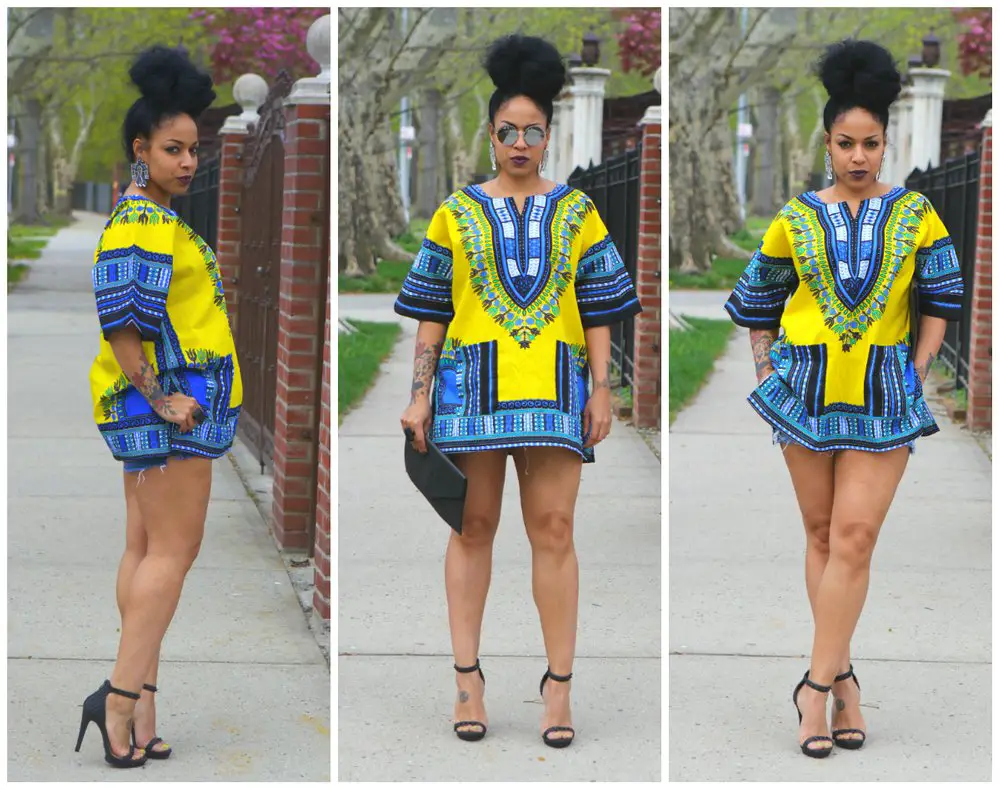
A female version of the Dashiki for the Yoruba people in Nigeria [Photo by Blackbitz]
Which Country is Dashiki from?
Nigeria and Benin are the origins of the dashiki. Other ethnic groups in the area, such as those in Senegal, Ghana, and Mali, picked up the style and made it their own. Each region had its own favourite fabrics, embroidery styles, and symbolic motifs, which made a group of similar clothes.
Dashiki History and Symbolism in Africa
You barely go unnoticed anytime you rock this outfit because it is purely African. It’s a loud statement of Africa’s unmistakable innovation in the fashion industry. Over and beyond its appreciable look, its history leans so much into its political significance back in the day. It reminds Africans of black slavery and the pain her ancestors went through when they were hauled to North America in chains.
In the 1960s and ’70s, dashiki’s dominion was amplified by the Civil Rights and Black Panther Movements. And it was then that people of African American descent started wearing dashikis as a way of promoting African culture and rejecting westernisation. Onwards, this design became a Black man’s pride and a celebration of the West African culture. Today, an African-American rocking it sends a strong message as a daughter/son from Africa. It has, over the years, shaped the politics and philosophy of black people.
Dashiki and its Sense of African Identity
Another aspect of the history of this African print outfit is its deep sense of African identity, especially among people of colour. The notion of identifying as an African in the West has and was always a longstanding debate since the times of Malcolm X. When Civil Rights and Black Panthers kicked off Black advocacy in the ‘60s and ‘70s they reinforced Malcolm X’s philosophies. And in a somewhat intriguing manner, they got to celebrate Nigerian music icon, Fela Kuti.
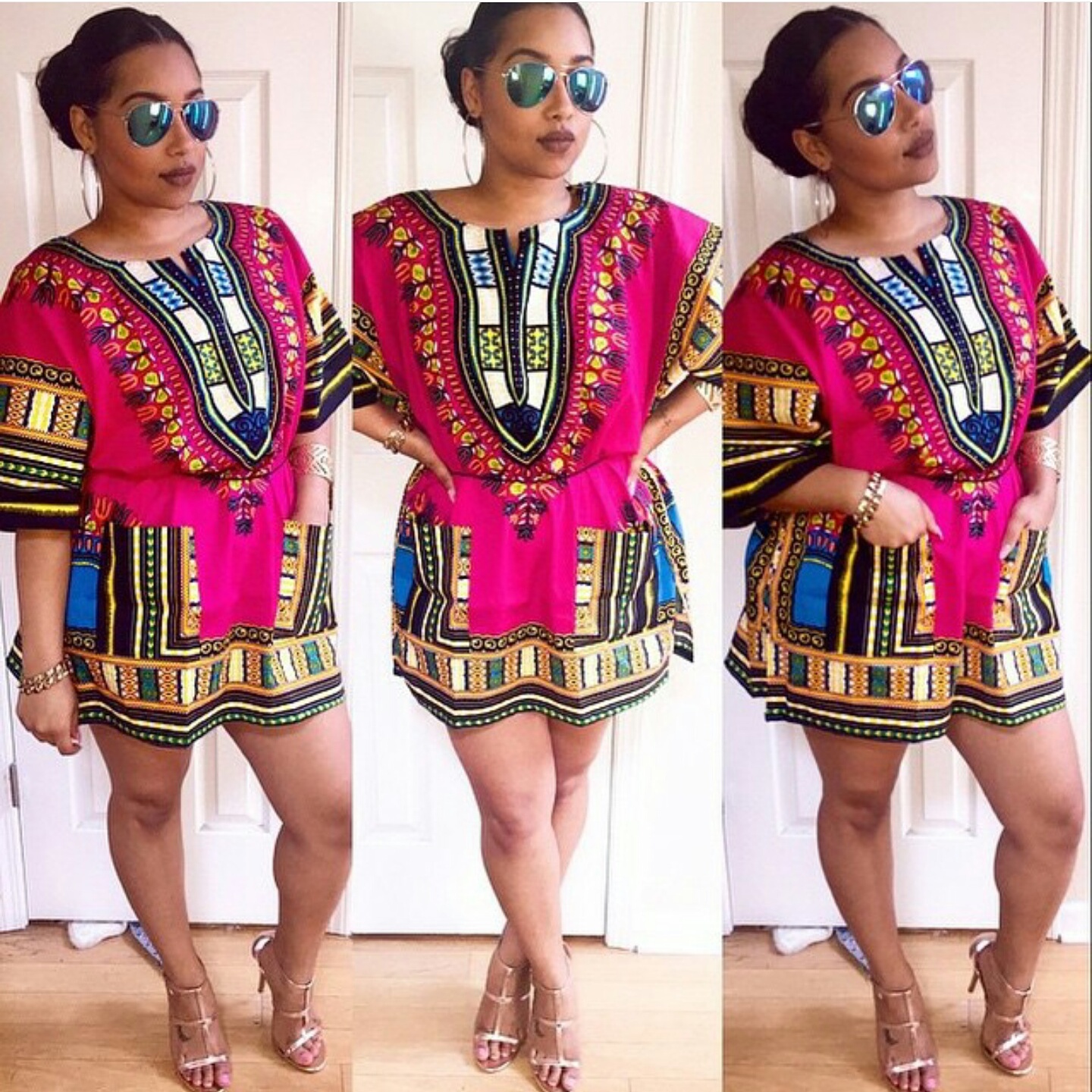
Dashiki – traditional clothes for Nigerians [Photo by Eccentric GLOW]
When Dashiki Culture Was Threatened
Although its history and culture were always a force to reckon with, its adoption by the whites posed a huge threat. Counterculture formations embraced it at the height of its political potency in the ‘60s and left it almost diluted. The sense of Black identity was almost wiped out, but stuck for one thing; it was authentic.
Here’s the thing. When the whites embraced the garment, it had no cultural significance – it was all about aesthetics. For this reason, it surged above the tide to remain authentically African-driven and inspired. Black intellectuals played a huge role in ensuring that its true meaning did not wane in the face of polarisation. They spoke of its relevance to their communities in the West and warned about trivialising its significance.
Dashiki – traditional clothes of the Yoruba people in Nigeria [Photo by Afroculture.net]
What’s Dashiki Significance in Modern Day?
In the African spirit of ‘black is beauty’, dashiki represents the beauty of a people, their culture, and way of life. This is just more than dashiki history. For the Yoruba, besides promoting culture, the garment speaks volumes about their norms and traditions. Remember, they are Nigeria’s third-largest tribe with an estimated population of 44 million people.
In a Yoruba cultural wedding, purple, blue, and grey dashikis are common colours, each representing a set of values for the community. Grey stands for tradition, while purple represents royalty to the African culture. Blue stands for harmony, love, and peace. Black and red are regarded as the official colours in times of mourning. Dashiki is simple and easy to wear and remains fashionable among men and women due to its unisex nature, various colours, and patterns.
Discover more from See Africa Today
Subscribe to get the latest posts sent to your email.